Business travel safety isn’t just about remembering your passport and keeping your laptop close. If you’re sending staff across borders regularly, you’ve got a duty of care that extends well beyond booking flights and hotels. The legal framework is clear: employers must take reasonable steps to protect staff from foreseeable risks. When someone’s travelling for business, you’re responsible for assessing dangers, providing appropriate support, and responding effectively if problems arise.
This applies whether they’re visiting a client in Manchester or working on a project in Manila. Your duty of care responsibilities require real-time visibility, especially when teams are operating in unfamiliar or unstable regions.
Know Where Your People Are
Traveller tracking should be automatic, not something you scramble to implement during a crisis. GPS-enabled systems provide real-time visibility without requiring constant manual check-ins from staff who’ve got enough to manage already.
Share detailed itineraries with someone back at base. Not just flight times, but hotel addresses, meeting locations, and emergency contacts. If someone goes dark, you need to know where to start looking.
Get the Insurance Right
Before anyone boards a plane, they should have comprehensive travel insurance that actually covers the territories they’re visiting. Basic policies often exclude high-risk locations, and the small print matters when you’re dealing with medical emergencies abroad.
Check what’s covered, verify it annually, and don’t assume your standard corporate policy stretches to every destination on your calendar. Medical evacuation coverage becomes critical in regions with limited healthcare infrastructure.
Register with Embassies for High-Risk Destinations
Register with your embassy when travelling to countries with political instability or recent security concerns. It’s a simple step that creates a contact point if situations deteriorate quickly. Your consultants should flag these requirements during booking, not leave it to travellers to remember once they’ve landed.
Embassy registration takes minutes online but provides crucial support during natural disasters, civil unrest, or medical emergencies. It’s basic risk management that too many companies skip.
Establish Clear Communication Protocols
Encourage teams to stay connected through daily check-ins via messaging apps. For higher-risk destinations, consider more formal check-in protocols at set times throughout the day. If someone misses a scheduled contact, you’ll know quickly rather than discovering a problem days later.
Communication systems must work reliably. You should be able to reach travelling employees quickly, and they should be able to reach you. Waiting hours for responses during emergencies isn’t acceptable.
Brief Travellers on Local Risks
Brief travellers on local risks before departure. That includes everything from common scams in airport taxi ranks to areas of cities that should be avoided after dark. Cultural awareness training prevents misunderstandings that can escalate into serious problems.
Different regions have vastly different approaches to business etiquette, personal safety, and legal frameworks. What’s acceptable behaviour in London might create genuine problems elsewhere. Ten minutes of pre-travel briefing prevents hours of crisis management later.
Secure All Digital Communications
Public WiFi in hotels and airports is a security nightmare. Provide VPN access for all work devices and enforce its use. Sensitive client data shouldn’t be accessible on unsecured networks, and your IT team should make this non-negotiable for anyone travelling.
Secure communication matters more than most people realise. Data breaches during business travel create liability issues, damage client relationships, and potentially violate GDPR requirements. Basic digital hygiene protects your business as much as your travellers.
Keep Documents in Multiple Locations
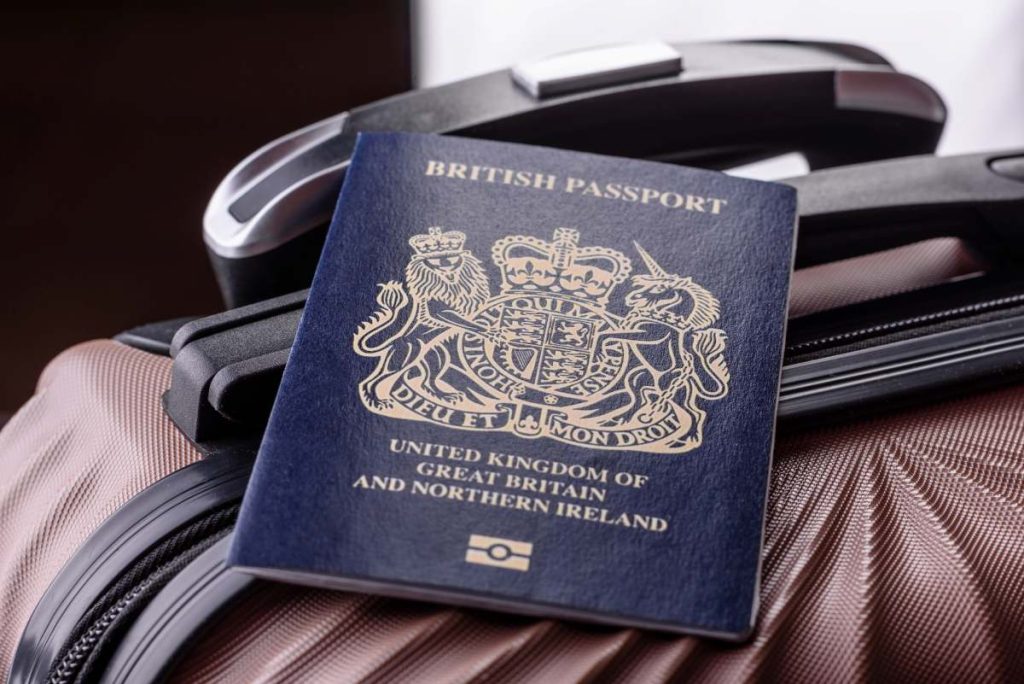
Keep digital and physical copies of important documents separate. Passport details, insurance information, emergency contacts and travel confirmations should exist in multiple formats and locations. Cloud storage with offline access works well for this.
If someone loses their wallet or bag, they shouldn’t simultaneously lose access to everything they need for help. Redundancy in documentation isn’t paranoia; it’s practical risk management that makes recovery from theft or loss significantly faster.
Use Pre-Approved Transport and Accommodation
Stick to pre-approved transport providers and accommodation, particularly in unfamiliar destinations. Your travel management company should vet hotels for security standards, location safety, and proximity to medical facilities. Random booking sites don’t consider these factors.
Unlicensed taxis, unvetted accommodation, and routes through high-risk areas all increase exposure unnecessarily. When reliable coordination for frequent business travellers includes safety vetting, compliance becomes automatic rather than something each employee navigates independently.
Prepare for Medical Emergencies
Ensure all travellers know how to access medical care in their destination country. That includes understanding whether your insurance requires pre-authorisation for treatment, knowing which hospitals meet international standards, and having emergency contact numbers programmed before departure.
In some regions, medical facilities that meet Western standards are limited to specific private hospitals in major cities. Your staff need this information before they need urgent care, not while they’re trying to navigate an emergency.
Monitor Situations in Real-Time
Risk assessment needs to happen before anyone boards a plane, but monitoring can’t stop there. Political situations change, weather events develop, and health risks emerge. Real-time monitoring of destination countries allows you to respond proactively rather than reactively.
When there’s a natural disaster, civil unrest, or health emergency, you need systems that alert you immediately. Your duty of care requires knowing about situations as they develop, not reading about them in tomorrow’s news.
Why Choose Harridge Business Travel
Harridge offers comprehensive traveller tracking and 24-hour emergency assistance as standard. Our consultants provide detailed travel risk advice tailored to each destination, and we work with companies operating in emerging markets and unstable environments to protect employees effectively through proactive monitoring and immediate response capabilities.
We handle safety and wellbeing when travelling through secure check-in systems via our Tripscape mobile app and two-way communication that keeps your team connected wherever they are. GPS tracking provides real-time visibility, automated alerts flag flight changes instantly, and our experienced consultants (averaging 15 years in business travel) know how to respond when situations deteriorate.
As a family-run business with 42 years of experience, we understand that duty of care isn’t a checkbox exercise. Our ISO 27001 certification demonstrates our commitment to information security in handling sensitive traveller data. When you call us during an emergency, you’ll speak to someone who knows your account, your travellers, and exactly how to help. We answer within 3-5 rings, not voicemail systems.

Our Fact Checking Process
We prioritize accuracy and integrity in our content. Here's how we maintain high standards:
- Expert Review: All articles are reviewed by subject matter experts.
- Source Validation: Information is backed by credible, up-to-date sources.
- Transparency: We clearly cite references and disclose potential conflicts.
Your trust is important. Learn more about our Fact Checking process and editorial policy.
Our Review Board
Our content is carefully reviewed by experienced professionals to ensure accuracy and relevance.
- Qualified Experts: Each article is assessed by specialists with field-specific knowledge.
- Up-to-date Insights: We incorporate the latest research, trends, and standards.
- Commitment to Quality: Reviewers ensure clarity, correctness, and completeness.
Look for the expert-reviewed label to read content you can trust.