Accurate forecasting of corporate travel budgets has become increasingly important as organisations expand globally and travel patterns become more dynamic. Unlike fixed operational costs, business travel spending fluctuates based on demand, pricing cycles, seasonality, and external factors such as currency movement and geopolitical events.
For finance and operations teams, the challenge is not just estimating how much travel will cost, but building a forecasting model that remains reliable when conditions change. A well-structured approach allows businesses to plan confidently, avoid overspending, and allocate resources more effectively across departments.
Modern forecasting is no longer a static annual exercise. It is a continuous process that combines historical data, predictive insights, and real-time adjustments.
Why Corporate Travel Forecasting Is Becoming More Complex
Corporate travel used to follow relatively predictable patterns, but that stability has changed significantly in recent years. Hybrid working models, fluctuating demand, and evolving supplier pricing have made it harder to estimate costs with accuracy.
Airfare pricing, in particular, can shift rapidly based on availability, booking windows, and seasonal demand. Hotel rates vary by location and event calendars, while ground transport costs may fluctuate depending on fuel prices or local conditions.
This variability means that traditional budgeting methods, which rely heavily on previous-year spend, are no longer sufficient on their own.
The Role of Historical Data in Travel Budget Planning
Historical travel data remains one of the most valuable tools in forecasting, but it must be used correctly. Looking at previous travel spend provides a baseline, but it does not automatically predict future behaviour.
For example, an organisation may have spent a certain amount on travel last year, but changes in headcount, business expansion, or new client acquisition can significantly alter future demand.
The most effective forecasting models use historical data as a foundation, then adjust for expected business growth, seasonal trends, and planned projects.
Identifying Key Cost Drivers in Corporate Travel
To forecast accurately, it is essential to understand what actually drives travel costs. Rather than looking at total spend alone, organisations need to break down individual components.
Key cost drivers typically include:
- Airfare pricing and booking lead times
- Hotel rates and occupancy trends
- Ground transport and local travel expenses
- Frequency of employee travel by department
- International vs domestic travel ratios
- Seasonal demand fluctuations
By isolating these factors, finance teams can create more precise and flexible forecasting models.
How Business Activity Influences Travel Forecasts
Travel demand is directly linked to business activity, which means forecasting must align with commercial planning. Sales cycles, project pipelines, and client engagement strategies all influence how much travel will be required.
For example, a company preparing for international expansion will likely see a sharp increase in long-haul travel. Similarly, businesses with seasonal sales peaks may experience predictable spikes in travel activity during certain periods of the year.
Aligning travel forecasts with wider business planning ensures budgets reflect real operational needs rather than assumptions based on previous years alone.
The Importance of Scenario Planning in Budget Forecasting
One of the most effective techniques in modern travel forecasting is scenario planning. Instead of relying on a single fixed estimate, organisations develop multiple budget scenarios based on different assumptions.
Common scenarios include:
- Baseline forecast based on current trends
- High-growth scenario reflecting increased travel demand
- Cost-optimised scenario with reduced travel or lower fares
- Disruption scenario accounting for unexpected events
This approach allows finance teams to prepare for uncertainty and respond quickly when conditions change.
Using Data to Improve Forecast Accuracy
Data plays a central role in improving the accuracy of corporate travel budgets. The more detailed and structured the data, the more reliable the forecast becomes.
Modern reporting tools allow organisations to analyse travel spend by department, destination, supplier, and booking pattern. This level of granularity helps identify inefficiencies and refine future predictions.
In many organisations, this process is supported by structured financial oversight and partnerships that enable scalable travel coordination for enterprise teams, ensuring that forecasting is aligned with operational execution.
Seasonal Trends and Their Impact on Travel Costs
Seasonality is a major factor in corporate travel pricing. Airfares and hotel rates often rise during peak travel periods, holidays, and major industry events.
Understanding these patterns allows organisations to plan travel more strategically. By booking during lower-demand periods or adjusting schedules where possible, businesses can reduce overall costs and improve budget predictability.
Seasonal forecasting also helps identify when additional budget allocation may be required, preventing unexpected overspend during peak periods.
Building Flexibility Into Travel Budgets
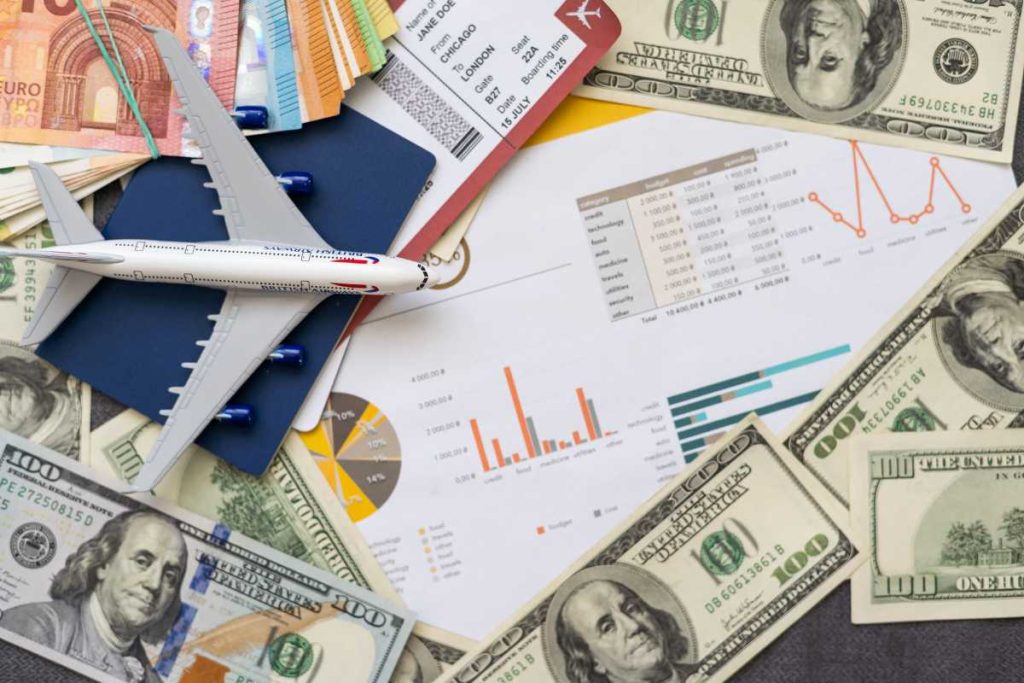
Rigid budgets are often the biggest barrier to accurate forecasting. While financial discipline is important, overly fixed budgets can quickly become outdated in a changing travel environment.
Flexible forecasting models allow organisations to adjust budgets throughout the year based on actual spend and updated projections. This creates a more realistic alignment between planned and actual expenditure.
Flexibility is particularly important for organisations with international operations, where travel demand can shift rapidly due to external factors.
The Role of Travel Management Companies in Forecasting
Travel Management Companies (TMCs) play a significant role in improving forecasting accuracy by providing access to consolidated data, supplier insights, and historical travel trends.
A well-structured TMC partnership can help organisations understand where money is being spent, how travel behaviour is changing, and where savings opportunities exist.
Harridge Business Travel combines long-term industry experience with consultant-led reporting to help businesses interpret travel data in a more meaningful way, rather than relying solely on automated dashboards.
This type of insight allows finance teams to make more informed forecasting decisions based on real-world travel behaviour.
Aligning Forecasting With Financial Planning Cycles
One of the most effective ways to improve forecasting accuracy is to align travel budgeting with existing financial planning cycles. Instead of treating travel as a separate category, it should be fully integrated into broader budgeting processes.
This ensures that travel forecasts are reviewed alongside revenue projections, operational costs, and strategic planning initiatives.
Regular review cycles (monthly or quarterly) help keep forecasts up to date and reduce the risk of long-term budget drift.
Understanding the Cost of Business Travel in Forecasting Models
Accurate forecasting also depends on a clear understanding of baseline expenditure. Many organisations underestimate the true cost of business travel, particularly when indirect expenses are not fully accounted for.
Using reliable benchmarks such as the cost of business travel for accurate budget forecasting helps establish a more realistic starting point for financial planning and ensures all components of travel spend are considered.
Forecasting as a Continuous Process
Corporate travel budget forecasting is no longer a once-a-year exercise. It is an ongoing process that requires constant refinement, data analysis, and alignment with business activity.
The most successful organisations treat forecasting as a dynamic system rather than a fixed plan. By combining historical data, scenario planning, and real-time insights, businesses can build more resilient and accurate travel budgets.
As travel becomes more global and complex, the ability to forecast effectively will remain a key factor in controlling costs and maintaining financial stability.
FAQs
Why is corporate travel forecasting important?
It helps organisations plan travel budgets accurately, control costs, and align spending with business objectives.
What data is needed for travel budget forecasting?
Historical spend, booking patterns, travel frequency, supplier costs, and seasonal trends are commonly used.
How often should travel forecasts be updated?
Ideally on a quarterly basis, or more frequently for organisations with high travel volumes.
What causes inaccuracies in travel forecasting?
Unexpected demand changes, price fluctuations, and incomplete historical data can all affect accuracy.
How do seasonal trends affect travel budgets?
Peak travel periods increase costs, while off-peak periods may reduce overall spend.
Can forecasting reduce corporate travel costs?
Yes, by identifying trends, inefficiencies, and opportunities for better booking strategies.
What is scenario planning in travel forecasting?
It involves creating multiple budget outcomes based on different assumptions about future travel demand.
How do TMCs support budget forecasting?
They provide consolidated data, reporting tools, and expert insights into travel behaviour and spend patterns.
Is historical data enough for accurate forecasting?
No, it must be combined with current trends, business plans, and market conditions.
Why is flexibility important in travel budgets?
Because travel costs and demand can change rapidly, requiring budgets to adapt throughout the year.

Our Fact Checking Process
We prioritize accuracy and integrity in our content. Here's how we maintain high standards:
- Expert Review: All articles are reviewed by subject matter experts.
- Source Validation: Information is backed by credible, up-to-date sources.
- Transparency: We clearly cite references and disclose potential conflicts.
Your trust is important. Learn more about our Fact Checking process and editorial policy.
Our Review Board
Our content is carefully reviewed by experienced professionals to ensure accuracy and relevance.
- Qualified Experts: Each article is assessed by specialists with field-specific knowledge.
- Up-to-date Insights: We incorporate the latest research, trends, and standards.
- Commitment to Quality: Reviewers ensure clarity, correctness, and completeness.
Look for the expert-reviewed label to read content you can trust.