Business travel has become easier to search and book than ever. Automated platforms can compare routes, display availability and process straightforward bookings in seconds, but convenience does not necessarily mean that every journey is best handled without human input.
For many British businesses, the value of a personal touch in business travel comes from having someone who understands the context behind a journey. A senior executive travelling to an important meeting may have very different priorities from an employee travelling to a routine conference, even if both trips involve the same destination. Knowing that difference can change the decisions made around the entire itinerary.
Why Automation Alone Isn’t Enough For Business Travel
Automation is extremely useful for straightforward journeys. When the requirements are simple, an online booking system can provide options quickly and allow travellers to make their own arrangements with minimal effort.
Complex business travel is different. The cheapest flight may arrive too late for an important meeting, a short connection may introduce unnecessary risk, or an apparently convenient hotel may create a difficult journey to the client’s offices. These are decisions that require an understanding of priorities rather than simply identifying the available options.
A human approach to travel planning adds that layer of interpretation. An experienced travel professional can consider the purpose of the journey, the traveller’s preferences and the organisation’s requirements before recommending an itinerary.
The Role Of Relationships In Resolving Travel Problems Quickly
The value of a relationship often becomes clearest when something goes wrong. A cancelled flight or missed connection is stressful enough without having to explain your circumstances to a different support agent or work through an automated system.
When a travel professional already understands the client, the conversation can start with the problem rather than a complete explanation of who is travelling, why the trip matters and what alternatives are acceptable.
That familiarity can also improve communication before disruption occurs. A travel adviser who knows that a particular traveller has an important meeting immediately after landing may recognise that a marginal alternative is not really a suitable solution.
How A Personal Approach Improves Traveller Wellbeing
Business travel can be tiring, particularly when employees are expected to fit meetings, transport and unfamiliar environments into already demanding schedules. Small decisions can therefore have a meaningful effect on how someone experiences a journey.
A personalised corporate travel UK approach might prioritise a sensible departure time rather than the earliest available flight, choose accommodation that reduces unnecessary transfers or build enough recovery time around an intensive schedule.
These decisions are not about providing unnecessary luxury. They are about recognising that travellers are people with different working patterns, preferences and tolerances. Taking those factors seriously can reduce avoidable friction and help employees arrive better prepared for the work they need to do.
Case For Blending Technology With Human Expertise
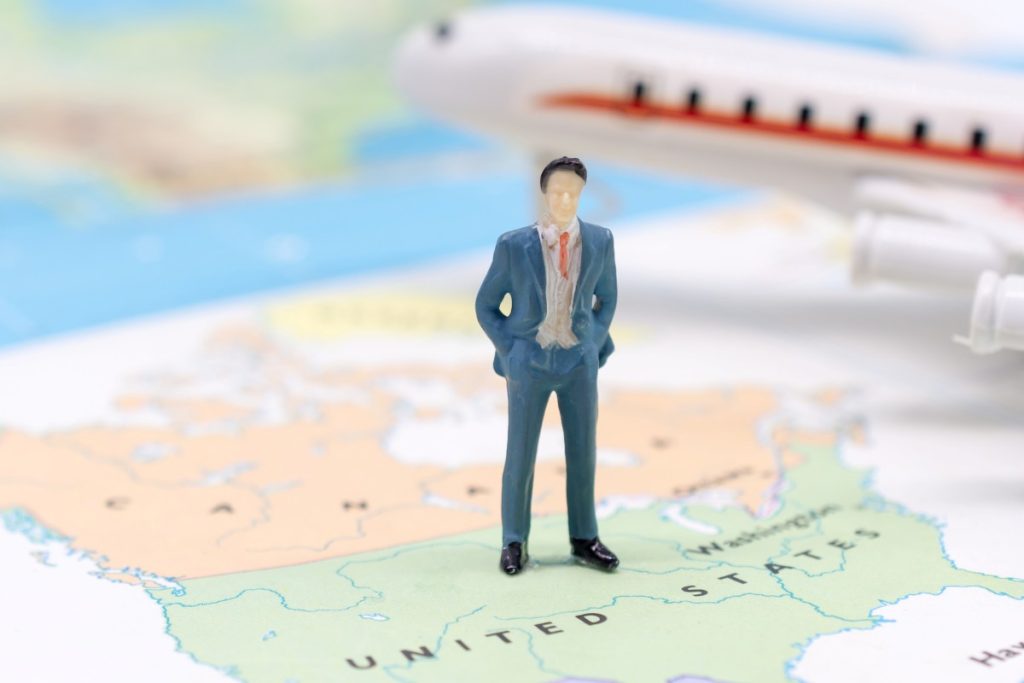
There is no reason for businesses to choose between technology and personal service. The strongest travel programmes can use both for what each does best.
Automated systems are well suited to searching, comparing and processing routine information at speed. Human advisers can then add judgement where the situation requires interpretation, flexibility or specialist knowledge.
This is why human expertise in travel planning remains valuable as technology develops. Rather than competing with automation, experienced professionals can use technology to work more efficiently while concentrating their own time on complex arrangements, exceptions and decisions where context matters. Research into personalised business travel similarly highlights the benefits of combining tailored service with technology rather than treating the two approaches as alternatives.
What Businesses Risk Losing With Fully Automated Booking
A fully automated booking process can be efficient, but efficiency should not be confused with suitability. Businesses risk losing the accumulated knowledge that comes from working with people who understand their travellers and priorities.
That can mean less consistency between bookings, fewer opportunities to identify potential problems and more responsibility falling back on employees themselves. It can also make unusual situations harder to resolve when there is no established relationship behind the booking.
Human judgement becomes especially important when a journey has commercial significance. A system can identify an available itinerary; someone with a proper understanding of the business can assess whether that itinerary actually makes sense.
Signs Your Current Provider Lacks A Personal Touch
A lack of personal service is not always obvious, particularly when routine bookings appear to work well. However, there are some warning signs.
You may find yourself repeatedly explaining the same preferences, being passed between different contacts or receiving options that technically meet your requirements but ignore the wider purpose of the journey. Problems can also become more revealing: if resolving a disruption means starting again from the beginning every time, continuity may be missing from the service.
Another warning sign is when technology seems to dictate the process rather than support it. Digital tools should make travel easier, not leave employees feeling that they have to fit their requirements around a booking platform.
How Harridge Business Travel Keeps The Personal Touch Alive
At Harridge Business Travel, we combine technology and professional expertise without allowing the technology to replace the relationship. We take time to understand how our clients travel, what matters to their business and where individual preferences need to be considered.
Our approach includes:
- Experienced consultants: The Harridge team brings substantial industry knowledge to complex and important travel decisions. Senior consultants within our team have over 25 years’ experience in the industry, while our team members’ average experience is 15 years.
- Personalised planning: We can build arrangements around the purpose of a trip rather than simply presenting the cheapest or most obvious options.
- Support when plans change: When disruption occurs, clients have experienced people who understand the wider journey and can help find a practical solution. To ensure you’re always supported, we provide 24 hour emergency assistance, 365 days a year.
- Technology where it adds value: Digital tools can improve visibility and efficiency while our team remains available for the decisions that require human judgement. In this vein, we developed Tripscape, an app that allows our customers to manage their trips easily while on the move.
- Long-term relationships: Familiarity with a client’s travel patterns means we can become more proactive rather than simply responding to individual booking requests. For a completely personalised service, we assign two dedicated consultants to each client, who are contactable on their direct numbers.
The result is a travel service designed around people and business requirements, with technology supporting the process rather than becoming the process.
FAQs
Is personal travel planning more expensive than automated booking?
Not necessarily. The value of personal service is not simply measured by the booking price. A knowledgeable adviser can consider the wider cost of an itinerary, including wasted time, disruption and unsuitable arrangements.
Can a personal travel service still offer online booking?
Yes. Personal service does not require businesses to abandon digital tools. Online booking can be useful for straightforward journeys, while more complex requirements can receive direct support from a travel professional.
Why does continuity matter when managing business travel?
Continuity means the person handling a booking can already understand relevant preferences, policies and priorities. This reduces repetition and can make responses faster when arrangements need to change.
Is a personal approach mainly useful for executives?
No. Every traveller can benefit from arrangements that reflect their circumstances. However, the value can become particularly apparent for executives and employees with complex schedules, frequent travel or important meetings.
How can a business tell whether its travel service is genuinely personalised?
Look at what happens beyond the initial booking. A genuinely personal service should understand traveller preferences, communicate clearly, provide useful recommendations and offer meaningful support when circumstances change.

Our Fact Checking Process
We prioritize accuracy and integrity in our content. Here's how we maintain high standards:
- Expert Review: All articles are reviewed by subject matter experts.
- Source Validation: Information is backed by credible, up-to-date sources.
- Transparency: We clearly cite references and disclose potential conflicts.
Your trust is important. Learn more about our Fact Checking process and editorial policy.
Our Review Board
Our content is carefully reviewed by experienced professionals to ensure accuracy and relevance.
- Qualified Experts: Each article is assessed by specialists with field-specific knowledge.
- Up-to-date Insights: We incorporate the latest research, trends, and standards.
- Commitment to Quality: Reviewers ensure clarity, correctness, and completeness.
Look for the expert-reviewed label to read content you can trust.